FAQs
Should I aerate & overseed my lawn?
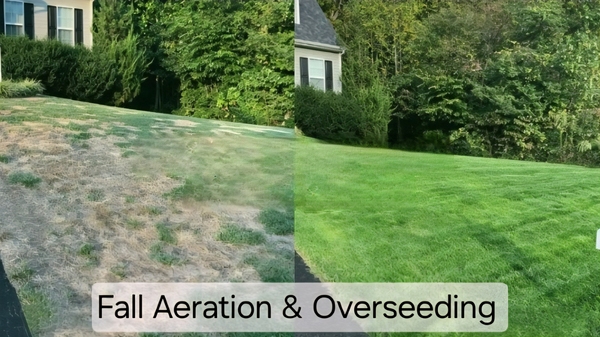
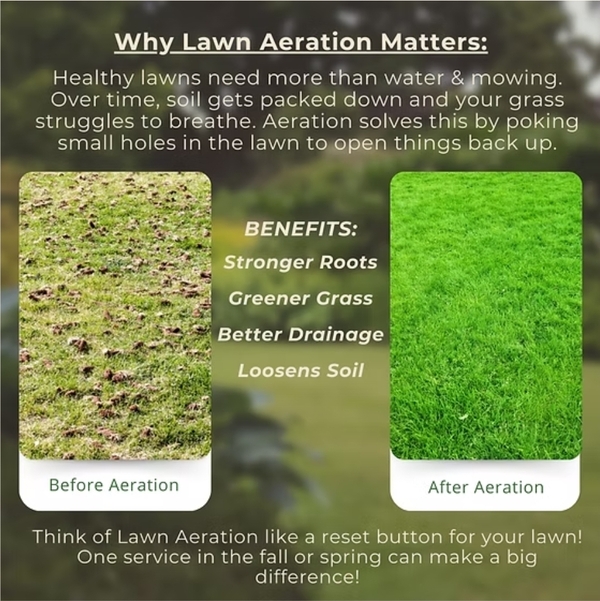
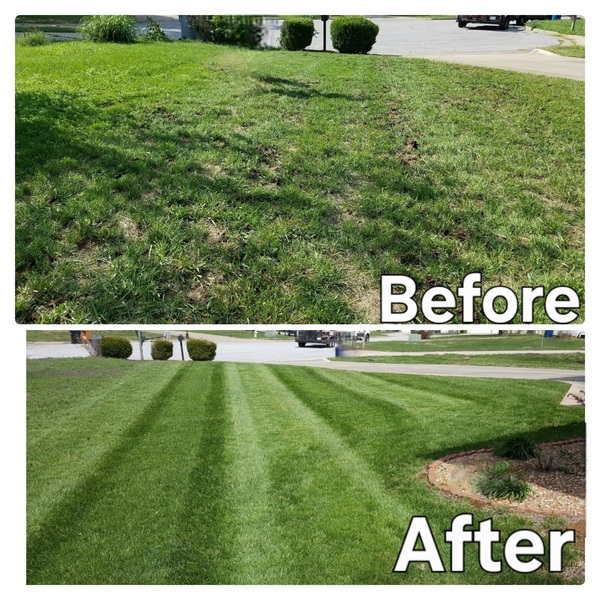
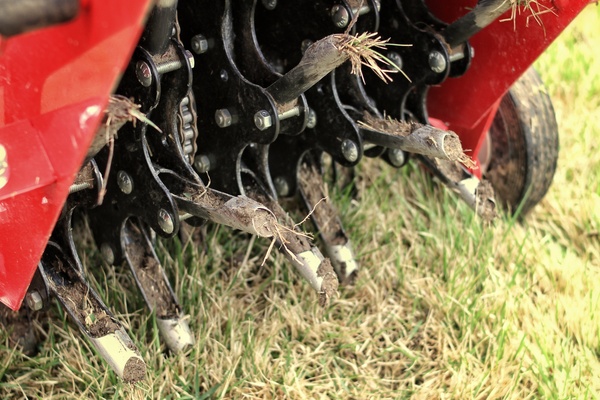
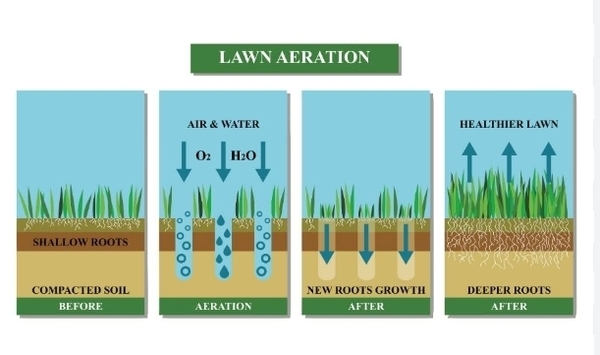
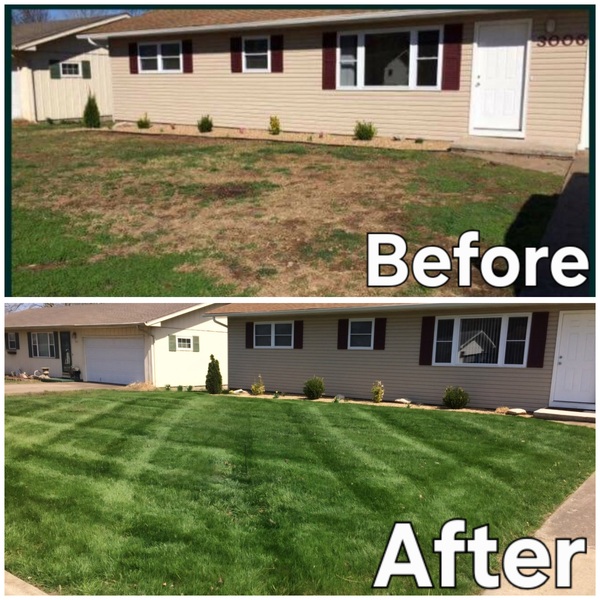
YES. Fall aeration gives lawns a chance to recover from harsh summer conditions, which is especially important before the damaging effects of winter arrive. If your lawn has a faded color, thin or bare areas of grass, or patches of dirt, aeration and overseeding can bring it back to life. Also, if your lawn gets a lot of heavy use from your kids and pets, or feels spongy and dry, chances are your soil is too compacted for proper nutrient flow. Compaction problems are also evident in homes that have been recently constructed. Often the subsoil of new housing plots has been compacted significantly by heavy construction equipment. The new topsoil will look nice for a period, then fade from the inability to flourish.
How often should I aerate & overseed?
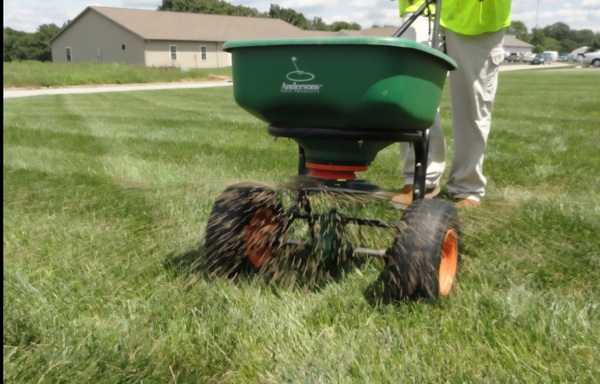
The general rule of thumb is once per year, in the fall for cool season turf types like fescue are popular in our region should be aerated and overseeded in the fall.
How often should I water after aeration & overseeding?
It’s important to begin watering your lawn directly after finish overseeding. Then be sure to continue watering per day 15-30 mins in the morning until the grass reaches 3" tall. Watering tips, the ground should be wet but not puddled up. There shouldn’t be any water runoff from the grass.
How long will it take to see results?
Really depend on moisture. If you are consistent on watering your lawn after seeding, seedlings typically begin to germinate after about 10 days. The plugs of soil left behind after aeration will take about 2-weeks to re-integrate into the topsoil. Late fall should see a less bare lawn. Spring will really see the results.